Difference Between Apple Iphone 17 Pro Max and Iphone 17 Pro Max Explained
Introduction
When shoppers encounter two listings both labeled "Apple iPhone 17 Pro Max" and "iPhone 17 Pro Max," the natural question is whether one is different from the other. At face value the names are identical, and in most cases the devices they describe are the same model. However, real-world buying decisions often hinge on subtle distinctions in configuration, regional specifications, condition (new vs. refurbished), carrier status, warranty, and included accessories. This article explains how to interpret those differences, what to check when comparing listings, and which factors matter most depending on how the phone will be used.
Quick answer — what to expect
Core hardware and software for the same named model are typically identical: the same chassis, display, camera system, and processor. Differences usually arise from non‑hardware factors such as storage capacity, color/finish, regional radio band support, carrier locking, warranty coverage, bundled accessories, and whether the unit is new, open box, or refurbished. In short, there is no inherent technical difference implied simply by repeating the product name; the important differences are in the configuration and selling conditions.
Detailed product review and analysis
Design and build
The iPhone 17 Pro Max, as with recent Pro Max models, is positioned as Apple’s premium large-screen device. Buyers can expect a metal-and-glass construction, premium finishes, and an emphasis on a slim profile with a large display. Because identifiers like color and finish are commonly different across SKUs, two listings may show the same model name but different colors or limited-edition finishes. When comparing, verify the listed finish and whether the seller’s photos (or the manufacturer's description) match the desired look.
Display and multimedia
Large iPhones in the Pro Max class emphasize high-fidelity displays (high refresh rate, high brightness, wide color gamut, and HDR support). For most users, differences between two same-named listings won’t be in panel technology, but can appear when one listing highlights an adaptive refresh rate model while another omits that detail; this often reflects marketing variance rather than actual hardware difference. Confirm screen specifications directly from the manufacturer’s technical sheet or the seller’s spec list when precise display characteristics (e.g., peak nits, refresh behavior) are critical.

Performance and software
Performance is defined by the processor, RAM, and software ecosystem. Two identically named devices generally ship with the same chipset and software version at launch. Any performance divergence in the real world is more likely to come from differences in storage capacity (which can influence available space and performance over time), preinstalled carrier app bundles, or whether a device has been restored and optimized. Ensure that system updates and warranty support are available for the purchase.
Camera system
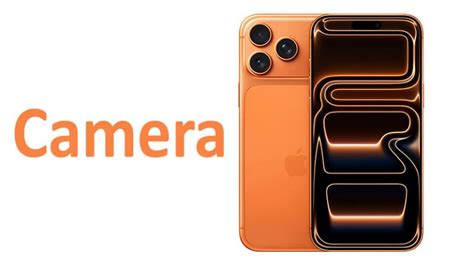
Pro Max models are marketed around pro-grade camera systems for photos and video. The physical camera array should be the same across identically named units, but regional firmware or carrier-enabled features might slightly alter functionality (for example, region-specific codecs or video telephony features). For buyers focused on photography and video, check the seller’s description for any note about camera modifications, repairs, or functionality tests.
Battery and charging
Battery capacity and charging specifications are hardware constants for a given model, but practical battery health differs between new, used, and refurbished units. Refurbished phones may have replaced batteries with rated health that falls short of new units. If battery life is a decisive factor, request the battery health percentage (for used devices) or buy new from an authorized retailer.
Find top-rated Mobile Phones products at great prices.
View Offers →Connectivity and regional considerations
Regional model numbers can affect cellular band support, Wi‑Fi variants, and regulatory differences. A phone sold for one market may support different LTE/5G bands than another market’s variant. Travelers and buyers who use non‑local carriers should confirm model numbers and band compatibility before purchase. Additionally, some regions have different default software behaviors (for example, emergency feature implementations), so check local specs if these matter.
Storage, carrier lock, and condition
Storage options—typically multiple tiers—are a primary differentiator between listings with the same model name. Buyers must also confirm whether the phone is unlocked or carrier-locked, whether it is sold new or refurbished, and whether it includes an active or transferable protection plan. These are practical distinctions that affect resale value, usability across carriers, and immediate out-of-the-box experience.
Real-world use cases and what buyers typically care about
Photographers and videographers
These buyers prioritize camera performance, image processing, storage, and file-handling workflows. They will look for the highest storage tier available, confirm any ProRAW or ProRes capabilities, and verify that the device supports the necessary codecs for their editing workflow. Robust battery life and accessory compatibility (external microphones, gimbals) also matter.
Gamers and performance-oriented users
For gaming, sustained performance, thermal management, and display responsiveness are top concerns. Storage capacity and available free space influence installable game sizes, while a high refresh rate display improves the experience. Buyers in this group will prefer new units or those with verified performance history.
Looking for the best Mobile Phones deals on Amazon?
View Offers →Frequent travelers
Travelers put connectivity and regional compatibility first. They check supported SIM configurations (eSIM vs. physical SIM), regional band support, and whether the phone is carrier-locked. Battery life and fast-charging convenience also rank highly for those on the move.
Everyday users and professionals
Prospective owners looking for a reliable daily device focus on software longevity, ecosystem integration (email, calendar, cloud backups), battery life, and repairability. They often balance storage needs with price and may value the security and privacy updates Apple provides over multiple years.
How to verify differences when shopping online
When two listings appear identical in name, follow these steps to verify any meaningful differences before completing a purchase:
- Compare model numbers: Ask the seller to provide the exact model number. Cross-check with the manufacturer’s specifications for band and feature support.
- Request the serial number (when appropriate): Use the serial number to check warranty status and activation/blacklist information through manufacturer or carrier tools.
- Confirm storage and color: Ensure the listing explicitly states these and matches what’s desired.
- Confirm unlocking and warranty terms: Get written confirmation when buying from third-party sellers about carrier unlocking and warranty transferability.
- Ask for recent photos and battery health for used units: Verify cosmetic condition and battery metrics to avoid surprises.
- Read reviews and return policies: Favor sellers with documented return windows and positive buyer feedback.
Price considerations and timing
Price differences between two identically named listings commonly stem from storage tiers, condition (new vs. refurbished), and whether the phone is bundled with extras or sold by a carrier at subsidized rates. Seasonal promotions—trade-in offers, carrier subsidies, or retailer bundles—can further blur the line between two otherwise identical listings. For buyers who want the best long-term value, it often pays to compare total cost of ownership, including protection plans and potential resale value.
Conclusion
When confronted with two listings both named "Apple iPhone 17 Pro Max" and "iPhone 17 Pro Max," the safest assumption is that the devices are the same model but may differ in configuration, condition, regional compatibility, or seller-provided services. Buyers should focus on the concrete differences that matter for real use—storage, carrier lock status, warranty, battery health, and included accessories—rather than the product name alone. By checking model numbers, verifying warranty status, and confirming seller policies, buyers can make an informed choice that matches their needs, whether they prioritize photography, gaming, travel compatibility, or everyday use.